Gutter Installation & Gutter Guards in Vancouver, WA | Gutter Empire

Categories
Blog Gutter Installation

Aluminum Gutter Installation: What to Know About Durability and Maintenance in Washington

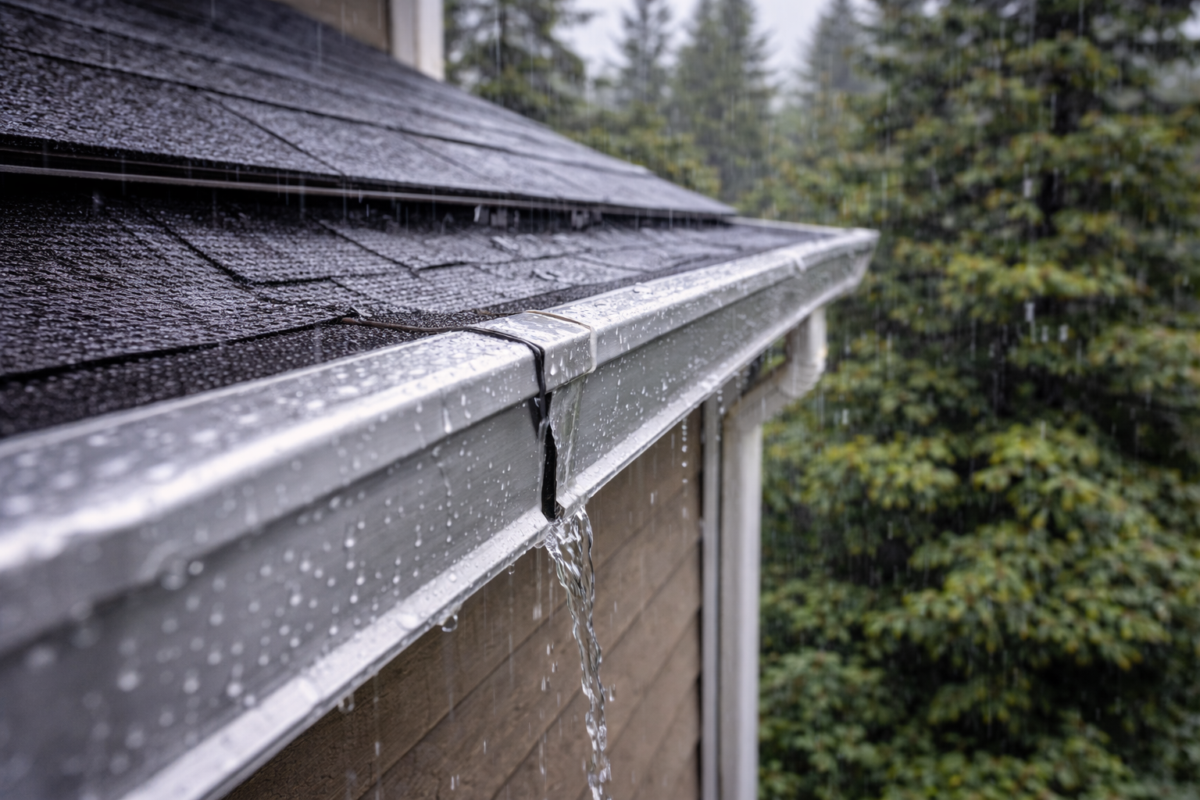
For Washington homeowners, gutters are not a small detail. They sit outside through months of steady rain, wind, and debris that never really takes a season off. That is why aluminum gutter installation continues to be the practical choice.

Aluminum holds up well in wet climates, but it still has limits. A system can last for decades, but only if it is installed correctly and maintained in a simple, consistent way.

In this article, we will look at why aluminum works so well here, what causes bending and sagging, and the basic habits that keep you from needing constant gutter repair.


Quick Answer

Aluminum gutters are the best balance of durability and affordability for Washington’s wet climate because they resist rust, stay lightweight, and perform well under constant rain. Most bending and sagging are caused by installation issues, clogged debris, or loose hangers—not the aluminum itself. With proper pitch, adequate support, and routine cleaning, an aluminum gutter system can last decades with minimal repairs.


Why Aluminum Is Washington’s Go-To Gutter Material

Aluminum has become the default material for many homes in the Pacific Northwest, and it is easy to see why once you think about the climate.

Aluminum works so well in wet climates because it does not rust the way steel can. It protects itself passively, forming a thin oxide layer when it comes into contact with air, which helps it remain stable over long periods of moisture and rain.

Its weight matters, too. Aluminum has sufficient strength for real runoff but remains light enough not to overload fascia boards or roof edges. During heavy storms, gutters can hold more water than most people expect, making proper support essential.

And then there is long-term value. Homeowners often want something that lasts without pushing them into the most expensive option. Aluminum tends to strike that balance. A well-done gutter installation can remain functional for years without becoming a constant maintenance project.

The Real Culprits Behind Bending and Sagging

Most homeowners assume that sagging gutters mean the material failed. Aluminum usually performs fine. The real issues often arise from what the gutter is required to hold and how it was originally installed.

Improper Installation

The most common cause of bending and sagging is simple: The gutters were not installed with the right support or pitch. When hangers are spaced poorly or the slope does not properly direct water toward the downspouts, water begins to pool. That adds weight and stress.

Loose or broken hangers, pulling fasteners, and drainage-slope problems are common issues in gutter maintenance. Those failures first appear at attachment points, not across the aluminum itself.

In Washington, this gets worse after storms. Wind shakes the long gutter, which runs like a lever. A weak connection may hold for a while, but it eventually shows up as a low spot or separation.

Debris Overload

The next big culprit is debris. Washington does not just deal with dry leaves. Gutters here collect wet pine needles, roof grit, and compacted material that retain water. That creates a loop:

Clogged gutter → standing water → added weight → hanger strain → sagging → more standing water.

It builds slowly, then suddenly becomes obvious when water overflows.

Gutter and downspout cleaning is a basic preventive measure to reduce water damage. When water cannot move through the system, it finds another path, often right down your siding or into the foundation zone. That is when homeowners start calling for emergency gutter repair or even gutter replacement.

Ice Dam Pressure

Ice is less common in western Washington than in colder states, but freeze-thaw cycles still happen. Ice becomes a problem when gutters are already clogged with water or debris. When that water freezes, it expands and pushes against the gutter shape.

The key point is that ice rarely starts the issue. It usually exacerbates an existing weakness, such as poor drainage or clogged drains.

The Role of Professional Installation

Aluminum gutters last longest when the details are handled correctly upfront. That is where professional installation makes a major difference.

Seamless Advantage

Seamless aluminum gutters reduce the number of joints along the run. Since joints are common leak points, fewer seams mean fewer places for small drips to develop over time. This helps homeowners avoid chasing tiny problems every rainy season.

A seamless approach supports durability by removing many of the weak links that first appear in older systems.

Precision Pitch & Support

The slope and support of a gutter decide whether water keeps moving or settles into a heavy pool. When installers set the proper pitch and install hangers that can hold weight, the system remains stable during extended periods of rain. Any small dip can turn into trouble once debris builds up.

Strong storms raise the stakes. During the November 2024 cyclone, gusts near Seattle reached about 77 mph, the kind of wind that exposes loose fasteners fast when gutters are already loaded.

Right-Sizing the System

Not every home needs the same gutter capacity. Roof shape, pitch, valleys, and runoff concentration all affect what the system must handle.

Professionals consider these factors to ensure homeowners do not end up with undersized gutters that overflow during heavy rain. Choosing the right style and size helps prevent frequent gutter repairs down the road.

Essential Maintenance for a Hassle-Free System

Even the best gutters require basic maintenance. The goal is not constant work. It is simple habits that prevent larger failures.

The Cleaning Imperative

Clearing debris remains the single most important maintenance task. It stops the standing-water weight problem before it starts. FEMA and the GSA emphasize the importance of keeping gutters and downspouts clear, as clogged systems can cause overflow and structural stress.

Annual Inspection Checklist

A simple yearly check goes a long way. Ensure the hangers stay tight, the downspouts drain cleanly, and no section dips enough to retain water. Look over the corners for worn sealant, and take a second glance after strong winds in case any part of the system shifted or loosened.

Protective Add-Ons

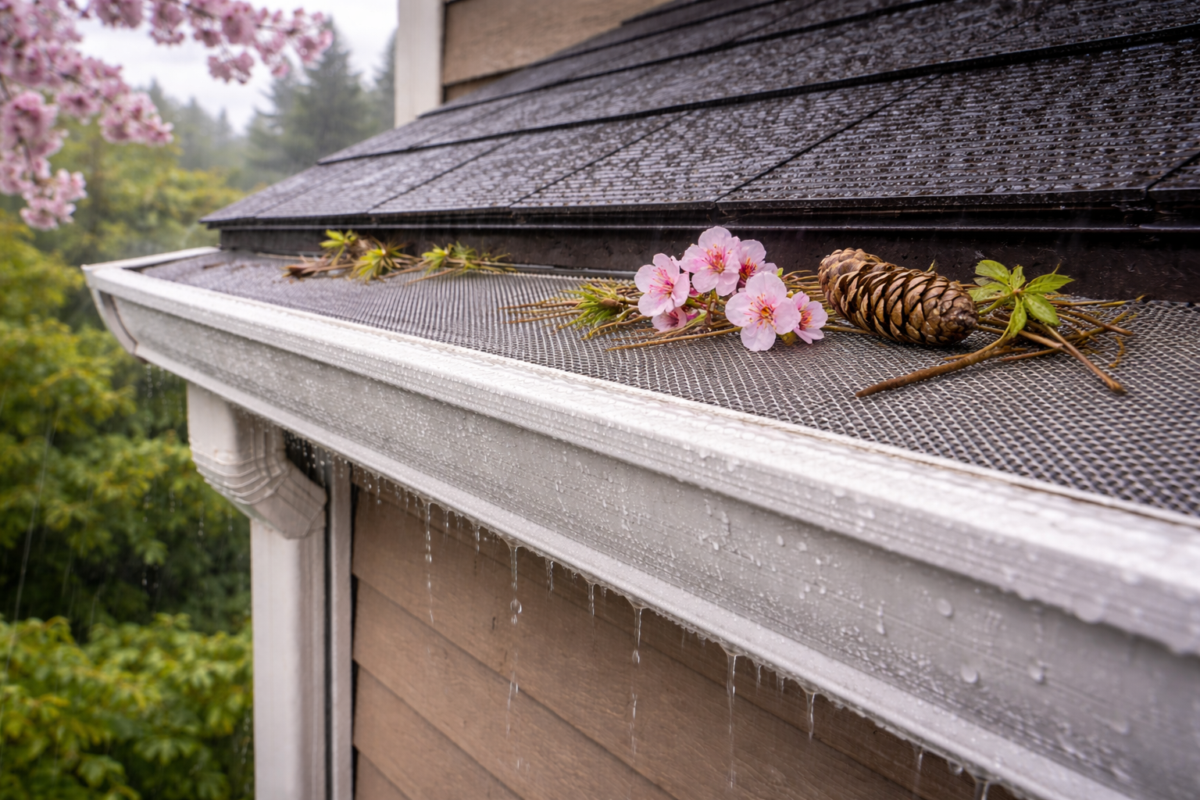
Gutter guards can reduce how often debris builds up, lowering the load the system must carry. They work best when the gutters already have the correct pitch and solid support. Guards do not fix failing attachment points, but they can make upkeep much simpler.

Secure Decades of Reliable Drainage

Aluminum gutters form a strong foundation for protecting a Washington home. They resist corrosion, withstand constant moisture, and remain reliable when installation and support are done correctly.

Most bending and sagging comes from preventable causes such as debris weight, poor pitch, or loose hangers, not from the aluminum itself. With basic yearly care and thoughtful upkeep, your system can stay out of your way and quietly do its job for years.

If you want that level of long-term reliability, contact Gutter Empire. We specialize in aluminum gutter installation and the support that prevents recurring gutter repair. Call us at (971) 777-9899, click here for a free estimate, or contact us to get a quote for lasting protection.


Key Takeaways

  • Aluminum resists corrosion better than steel in Washington’s damp climate, forming a protective oxide layer that allows long service life without rust-related failure.
  • Sagging gutters are usually an installation or maintenance problem—poor pitch, wide hanger spacing, or loose fasteners create standing water that overloads the system.
  • Debris weight is the leading cause of deformation, especially wet pine needles and roof grit that trap moisture and increase structural stress.
  • Seamless aluminum systems reduce leak points by eliminating most joints where separation and drips typically begin.
  • Strong wind events expose weak attachments quickly, as Pacific Northwest cyclones regularly combine heavy rain with damaging gusts .
  • Routine cleaning and annual inspections prevent most failures, keeping water moving freely through downspouts and away from fascia and foundations.
  • Gutter guards help maintenance but cannot replace correct pitch and support—they work best on a healthy, properly installed system.
  • Right-sizing gutters to roof runoff volume is essential to avoid overflow during Washington’s long, high-intensity rain periods.

Citations

  1. NASA: https://science.nasa.gov/earth/earth-observatory/extratropical-cyclone-whips-over-the-pacific-northwest-153605/
Categories
Blog Gutter Guard Installation Gutter Guards

Installing Gutter Guards in Washington Before Spring

As Washington’s gray skies start to lift, many homeowners assume the worst of the weather is behind them. Spring introduces a different kind of stress for your home’s exterior. Rain becomes steadier, trees wake up, and gutters that survived winter without obvious issues can suddenly fail. This is why installing gutter guards before spring arrives is a practical way to prepare your home for the season that quietly tests gutters the most.

In the sections below, we break down why spring is such a challenge, why timing matters, and what a proper gutter guard installation looks like.

Washington’s Spring Is the Perfect Storm for Gutters

Spring in Washington changes how water and debris interact with your roofline. The shift is subtle, but the effects are not.

Heavy Seasonal Rainfall

Late winter storms tend to come in bursts. Spring rain, by contrast, is persistent. The transition brings longer stretches of steady rainfall, keeping gutters wet for days at a time.

This sustained precipitation places a continuous demand on drainage systems, rather than allowing them to dry out between storms. Gutters that could handle winter showers can struggle once rainfall becomes more consistent.

Blossoming Debris

Spring debris behaves differently from fall leaves. Bud casings, blossoms, and early leaf growth are lighter and smaller, which makes them easier to slip into open gutters. Once wet, they clump together. These compacted masses block water flow faster than many homeowners expect, especially during the first heavy spring rains.

Post-Winter Cleanup

Winter does not leave gutters empty. Wind events across the region routinely deposit needles, twigs, and roof grit that sit unnoticed until rain increases.

In November 2024, recorded gusts reached up to 77 mph in parts of Washington. Another major event in December 2025 brought gusts as high as 85 mph. The resulting falling material often stays put, forming a base layer that spring debris builds on. By the time spring rain arrives, the conditions for clogging are already in place.

Why “Before Spring” Is the Strategic Window

Waiting until spring problems show up usually means you are already reacting instead of preventing.

Beat the Seasonal Rush

Late winter is typically quieter for exterior home services. Scheduling gutter guard installation during this period often means better availability and fewer delays. Once spring storms begin, demand rises quickly as homeowners discover leaks and overflow during active rain.

Start the Season Protected

Installing protection ahead of spring ensures your system is ready before the first long rain cycle. Weather impacts tend to cluster seasonally. When problems appear, they often appear everywhere at once. Getting ahead of that curve matters.

Maximize Annual Protection

A pre-spring installation does more than solve one season’s problem. Guards installed now continue working through summer pollen and seed drop, then into the fall leaf season. One well-timed gutter guard installation reduces exposure across multiple debris cycles.

How Gutter Guards Fortify Your Home for Spring

Gutter guards work quietly, but their impact shows up when conditions get difficult.

Preventing Clog-Driven Overflow

By blocking buds and organic debris, guards help gutters handle the volume of spring rain. Insurance data from Verisk shows that wind and water events remain among the most common causes of residential claims. Overflow is often the starting point. Keeping water inside the gutter channel matters more than it sounds.

Reducing Emergency Clean-Outs

Spring blockages seldom show up when the weather is calm. They usually develop while rain is already falling, when ladders are unsafe, and when cleanup cannot wait.

Verisk data shows catastrophe-related claims jumped 113 percent in 2024, underscoring how disruptive storms have become. With gutter screen installation, homeowners reduce the chance of facing sudden drainage failures during active weather.

Protecting the Full System

Wet debris adds weight. Over time, that weight stresses hangers, seams, and fasteners. Gutters are part of a full water-management system. Reducing debris load helps the entire system hold its shape and pitch through the wettest months.

What to Expect During Professional Installation

Understanding the process helps homeowners see why installation quality matters as much as the product itself.

The Assessment

Before installing any gutter guard, professionals evaluate the existing gutters. They check pitch, attachment points, and overall condition. Guards only work if water can already move properly. This step identifies issues that need to be corrected before protection is applied.

The Installation Process

During gutter guard installation, guards are secured to fit the existing system without compromising it. Whether the project involves gutter screens or another guard type, the goal is a snug fit that blocks debris while preserving water flow. Careful attachment avoids weakening the gutter itself.

The Final Check

After installation, downspouts are cleared, and the system is tested. Water flow is verified end-to-end. Spring rain does not wait, so the system needs to perform immediately.

Understanding the Investment: Cost vs. Seasonal Savings

Cost questions come up often, and context helps.

Factors in Guard Cost

The gutter guard installation cost depends on several factors, including linear footage, roof height and pitch, guard design, and the condition of existing gutters. Homes with steep angles or extra levels take longer to work on and naturally influence overall pricing.

Offsetting Future Expenses

According to Verisk, U.S. property claims climbed 36 percent in 2024, largely due to weather-related losses. No upgrade stops every problem, but limiting water exposure cuts down on repeat cleanings and small repairs that add up fast. Spread over several seasons, the savings become obvious, especially when storms create more unpredictable costs for homeowners.

Long-Term Value

Gutter guards add value by easing the slow wear that usually comes from trapped moisture and constant debris. Less strain on seams and metal means the system holds up longer. Read more about our gutter guard comparison here.

A 2025 U.S. Treasury review noted that climate pressures are increasing insurance costs for many homeowners. Anything that limits preventable exterior damage, especially around drainage, strengthens a home’s long-term stability.

Prepare Your Defenses Before the Spring Thaw

Taking action before spring arrives changes gutter care from a reactive chore into a quiet safeguard. By addressing debris and drainage now, you set your home up to handle Washington’s long, wet stretches without constant attention.

If you want help protecting your home from wind and water damage, contact Gutter Empire, LLC at (971) 777-9899. Or, click here for a free estimate. We are ready to help you prepare your gutters for the season ahead.


Key Takeaways

  • Spring creates different gutter stress than winter
    Washington’s spring brings longer, steadier rainfall combined with lightweight debris like buds and blossoms that clog gutters faster than fall leaves. This sustained moisture keeps gutters wet longer and increases failure risk.
  • Winter debris sets the stage for spring clogs
    High-wind events throughout winter leave behind needles, twigs, and roof grit that remain hidden until spring rain activates them, forming fast-developing blockages.
  • Installing gutter guards before spring is a strategic advantage
    Late winter installations avoid peak-season delays and ensure gutters are protected before the first long rain cycles arrive, when failures tend to appear all at once.
  • Gutter guards reduce overflow-driven damage risk
    By preventing debris accumulation, gutter guards help keep water inside the drainage channel during heavy spring rain—critical given the rise in wind- and water-related insurance claims.
  • Reducing debris load protects the entire gutter system
    Wet organic buildup adds weight that stresses hangers, seams, and fasteners. Guards limit that load, helping gutters maintain pitch and structural integrity through prolonged wet periods.
  • Professional installation is essential for performance
    Proper assessment, secure fitting, and post-installation flow testing ensure guards work with the existing gutter system instead of creating new overflow points.
  • Preventive upgrades help offset rising climate-related costs
    As weather-driven property losses increase nationwide, reducing preventable exterior water damage strengthens long-term home resilience and can help mitigate repeat repair expenses.

Citations

  1. NASA Earth Observatory — Extratropical Cyclone Whips Over the Pacific Northwest
    https://science.nasa.gov/earth/earth-observatory/extratropical-cyclone-whips-over-the-pacific-northwest-153605/
  2. Associated Press — Pacific Northwest levee floods in Washington and Idaho
    https://apnews.com/article/pacific-northwest-levee-floods-washington-idaho-fe814b86139b6d30b8e19f5f1d44e47e
  3. Verisk — Quarterly Property Report Q4 2024
    https://www.verisk.com/492f95/siteassets/media/campaigns/gated/property-estimating/verisk-property-estimating-solutions-quarterly-property-reportq4-2024.pdf
  4. U.S. Department of the Treasury — Climate-Related Insurance and Housing Risk Review (2025)
    https://home.treasury.gov/news/press-releases/jy2791